

By 2050, the global silver economy will reach $28 trillion. That staggering figure represents one thing above all else: an enormous, underserved population of older adults who deserve smarter, more personalized support. Businesses that deploy data-driven solutions for healthy aging right now will lead this market. Those who hesitate will follow.
Why the Silver Economy Needs a Data-First Strategy
Most organizations serving older adults still operate reactively. A client falls. A medication gets missed. A cognitive decline goes undetected for months. Each of these failures shares a root cause: decisions made without data. The silver economy has long relied on intuition, routine check-ins, and generalized care protocols. That era is ending.
Forward-thinking businesses are replacing guesswork with intelligence. They collect health metrics, behavioral patterns, and lifestyle data at scale. They analyze that data in real time and act before problems escalate into crises. This proactive shift improves outcomes for older adults. At the same time, it directly reduces operational costs, strengthens client relationships, and sharpens competitive positioning.
Four Data-Driven Solutions Transforming Healthy Aging
Older adults generate more health data than any other demographic, yet most businesses barely scratch the surface of what that data can do. These four solutions change that, turning information into action across every touchpoint of the aging journey.
1. Wearable Technology and Remote Health Monitoring
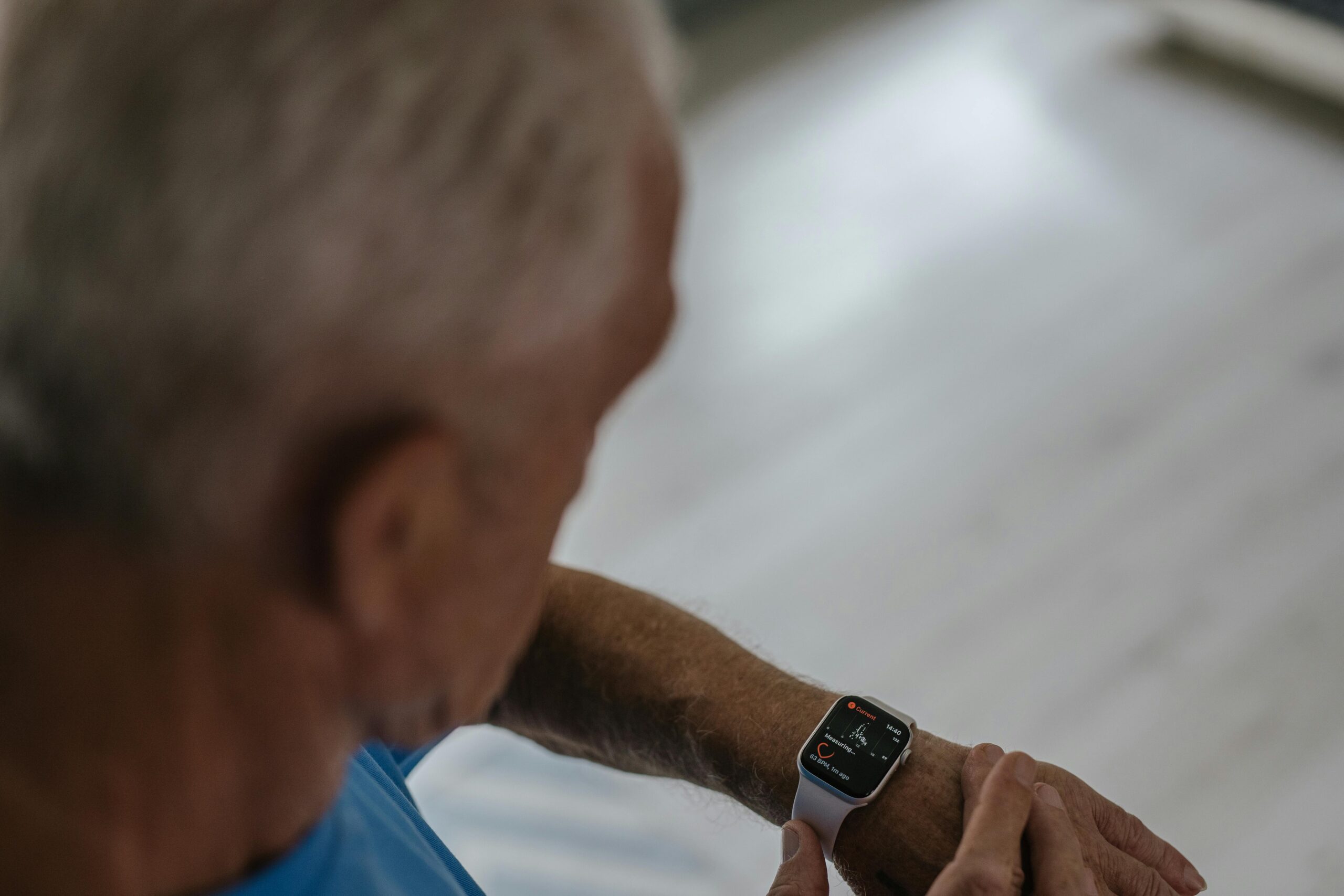
Wearables have moved far beyond step counters. Today’s devices track heart rate variability, blood oxygen levels, sleep architecture, gait patterns, and early neurological signals. Smartwatches, fall detection sensors, and continuous glucose monitors now generate continuous, clinically meaningful data streams that businesses can act on in real time.
Remote patient monitoring (RPM) platforms pull data from these devices into centralized dashboards, where care coordinators can spot anomalies and contact clients before a health event occurs. Companies investing in RPM infrastructure consistently report:
- Fewer emergency hospitalizations per client per year
- Lower per-member care costs across insured populations
- Higher client satisfaction and family confidence scores
- Stronger retention rates among senior living and home care clients
RPM shifts the entire care relationship from episodic to continuous, giving businesses a persistent window into each client’s health status.
2. Predictive Analytics for Preventive Care
Predictive analytics transforms raw health data into foresight. Machine learning models trained on population health datasets identify individuals at elevated risk of falls, medication non-adherence, or chronic disease progression. Businesses can act on these signals weeks before a clinical event occurs.
Senior living operators, home care agencies, and health insurers are already using predictive tools to:
- Stratify risk across their entire client base and direct resources to the highest-need individuals
- Personalize wellness plans based on each person’s unique health trajectory
- Anticipate care transitions and coordinate proactively, cutting costly unplanned admissions
- Surface social determinants of health, such as food insecurity or isolation, that clinical data alone misses
- Flag medication risks before harmful interactions or non-adherence patterns cause harm
Programs built on predictive analytics report 20 to 30 percent reductions in preventable hospitalizations. That figure represents not just clinical success but measurable financial return for every stakeholder in the care ecosystem.
3. AI-Powered Cognitive and Mental Health Support
Dementia affects more than 55 million people globally, yet most cases go undiagnosed until a significant decline has already occurred. Artificial intelligence changes the detection timeline. AI-powered screening tools analyze speech patterns, response latency, and digital drawing tests to identify early cognitive changes that clinicians might not catch for months.
Beyond cognitive screening, AI supports mental wellness across three critical dimensions:
- Conversational agents that provide 24/7 social engagement for isolated older adults
- Mood tracking tools that detect behavioral shifts linked to depression or anxiety
- Personalized content recommendations that keep cognitively active adults mentally stimulated
Social isolation accelerates cognitive decline and increases mortality risk in older adults. Businesses that fold mental health technology into their service offerings address one of aging’s most overlooked threats while building a genuinely differentiated product.
4. Interoperable Electronic Health Records
An older adult managing three chronic conditions and seeing four providers generates critical data across every encounter. When those systems cannot communicate with one another, care teams miss the full picture. Medication interactions go undetected. Diagnoses get duplicated. Families lose confidence.
Modern Electronic Health Record (EHR) systems solve this by connecting data across providers, payers, and care coordination platforms. Businesses that invest in interoperable infrastructure unlock several compounding advantages:
- Care teams gain a single, unified view of each client’s complete health history
- Families receive timely, transparent updates without chasing multiple providers
- Payers receive structured outcome data that supports value-based contract negotiations
- Regulatory audits move faster with organized, accessible records
Interoperability is not a back-office IT decision. It is a strategic investment that directly shapes the quality of care, client trust, and long-term business credibility.
A Practical Framework for Deploying Data-Driven Solutions for Healthy Aging

Knowing which solutions exist is only half the battle. Deploying them successfully requires a structured approach that accounts for your organization’s current capabilities, your clients’ expectations, and the operational realities of working in the silver economy.
Audit Your Data Maturity First
Successful deployment starts with an honest internal assessment. Before purchasing any platform, answer these foundational questions:
- What client data do you currently collect, and how is it structured?
- Can your systems ingest data from wearables, EHRs, or third-party platforms?
- Does your staff have the skills to analyze data and translate insights into action?
- What are your highest-priority use cases, and which data types support them?
Starting with clarity on these points prevents expensive technology mismatches and accelerates time to value.
Build Trust Through Ethical Data Practices
Older adults and their families take data privacy seriously, and businesses that treat compliance as a ceiling rather than a floor will lose trust quickly. Beyond HIPAA and GDPR requirements, ethical data practice means:
- Explaining in plain language what data gets collected and why
- Giving clients meaningful control over their own information
- Using data to benefit the individual, not just to optimize business metrics
- Publishing clear breach notification policies before clients ever ask
Organizations that lead with transparency attract clients who stay longer and refer others more readily.
Train People as Rigorously as You Deploy Technology
A predictive analytics dashboard produces zero value if care coordinators do not know how to interpret it. Staff training must go beyond tool mechanics. Teams need to understand what the data means clinically, how to translate insights into conversations with clients, and when to escalate alerts to clinical staff. Organizations that invest in change management alongside technology deployment consistently report higher adoption rates and better outcomes.
Define KPIs and Measure Relentlessly
Every deployment needs defined success metrics from day one. Depending on your business model, relevant KPIs might include:
- Reduction in fall incidents per 100 clients per quarter
- Improvement in medication adherence rates
- Decrease in unplanned hospital readmissions
- Client satisfaction scores at 90-day intervals
- Time-to-intervention following a health alert
Review performance monthly, identify friction points, and iterate before scaling. What gets measured gets improved.
The Business Case: Why Data-Driven Aging Is a Commercial Imperative
The clinical argument for data-driven healthy aging is compelling. The commercial argument is equally powerful. Businesses that demonstrate measurable outcomes attract stronger payer contracts, command premium pricing, and earn the kind of word-of-mouth referrals that no advertising budget can replicate.
Investors and regulators now scrutinize health outcomes data more carefully than ever. Organizations that quantify their impact through structured data earn faster regulatory approvals, better funding terms, and greater enterprise value over time. In a market built on trust, evidence-based results are the most durable competitive advantage a business can build.
Wrapping Up
The silver economy rewards businesses that lead with intelligence. Deploying data-driven solutions for healthy aging requires strategic investment, ethical commitment, and the discipline to measure what matters. Companies that build this capability today will not just serve the aging population well. They will define the standards everyone else follows.
Frequently Asked Questions: Data-Driven Solutions for Healthy Aging
Q: What are data-driven solutions for healthy aging?
These are technologies and systems, including wearables, predictive analytics, AI screening tools, and interoperable health records, that use data to personalize care, anticipate health events, and improve outcomes for older adults.
Q: How can small businesses in the silver economy start using data?
Start with one high-impact use case, such as fall prevention or medication adherence. Choose an accessible tool, such as a wearable health tracker or a basic analytics dashboard, and build data collection habits before investing in advanced platforms.
Q: How do businesses protect the health data of older adults?
Organizations must meet HIPAA or GDPR requirements as a baseline, then go further. Clear consent processes, plain-language privacy policies, and robust cybersecurity practices are essential for maintaining client trust.
Q: How does AI specifically support healthy aging?
AI enables early detection of cognitive decline through speech and behavioral analysis, supports mental wellness through conversational agents and mood tracking, and powers predictive risk models that help businesses intervene before health events occur.
Great content! Keep up the good work!