


The furniture industry is undergoing one of its most significant transformations in decades. At the center of that shift sits an often-overlooked consumer force: the silver economy. It represents a powerful, values-driven purchasing block. They buy less impulsively, demand more transparency, and gravitate toward furniture built to last. For retailers, this convergence of aging demographics and sustainability consciousness is not just a trend to track. It is a sustainable furniture strategy waiting to be executed.
This guide walks furniture retailers through the principles of a circular economy furniture strategy for aging consumers, explaining why it matters, what it looks like in practice, and how to position your business at the intersection of longevity, ethics, and the silver economy.
What Is the Circular Silver Economy: Why Should Furniture Retailers Care?
The circular economy is a system that eliminates waste by keeping products, materials, and resources in use for as long as possible. In the context of furniture retail, that means designing, sourcing, and selling pieces that are durable, repairable, reusable, and eventually recyclable.
The silver economy adds a powerful commercial dimension to this framework. The global silver economy market is projected to reach USD 6,349 billion by 2035, growing at a CAGR of 7.89%. This is a demographic with accumulated wealth, strong brand loyalty, and a preference for quality over quantity.
When these two forces intersect, the result is a circular economy furniture strategy for aging consumers: a retail approach that aligns environmental responsibility with the values and lifestyle needs of one of the world’s fastest-growing consumer segments.
Why the Timing Is Right
Several market forces are converging to make this strategy urgent for retailers:
- The US sustainable furniture market is valued at USD 13.39 billion in 2026 and is forecast to reach USD 17.31 billion by 2031.
- Circular production in furniture globally increased by 22% in 2024.
- In the UK, 70% of furniture businesses now integrate circular economy principles into product development, with 81% planning to expand those investments from 2025 onward.
- The sustainable furniture segment is projected to account for 30–40% of total furniture market growth in 2026.
The Silver Consumer: What They Want from Furniture Retailers
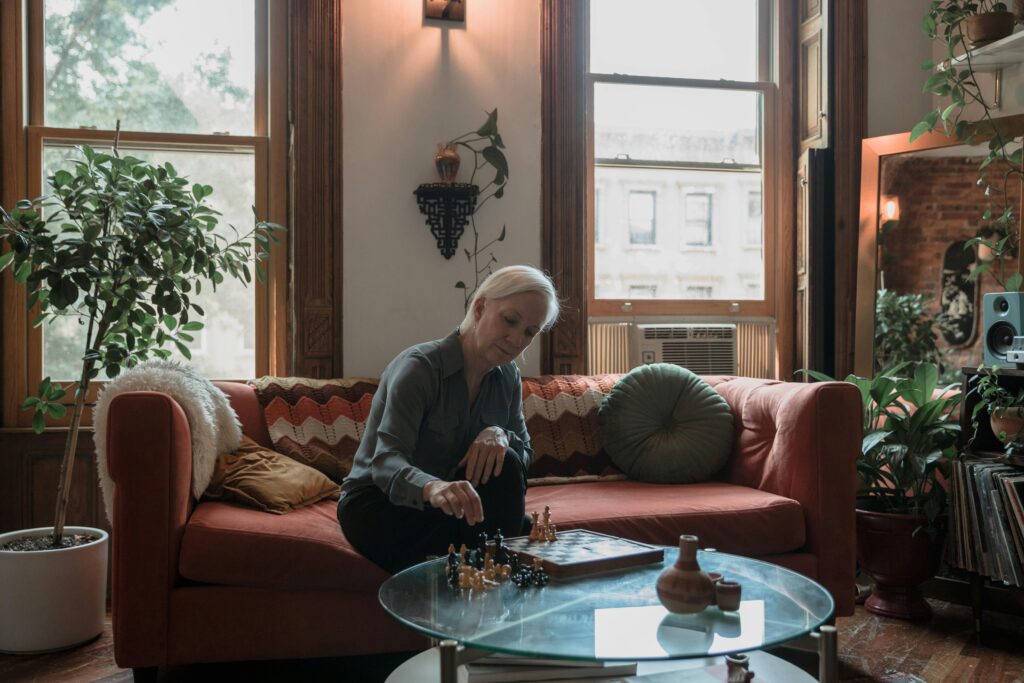
Understanding your customer is the foundation of any strong sustainable furniture strategy. Silver economy consumers are not a monolith, but they share several defining purchasing behaviors that align naturally with circular economy values.
1. They Prioritize Quality and Longevity
Silver consumers have lived through enough furniture purchases to know the difference between fast furniture and furniture that lasts. They are less likely to be swayed by trend-driven styling and more interested in construction quality, material sourcing, and after-sale support. This plays directly into circular economy principles: furniture designed for durability is inherently more sustainable.
2. They Value Transparency and Trust
This demographic responds strongly to honest brand communication. Third-party certifications matter to them, including FSC-certified wood, Greenguard, and B Corp status all signal credibility. Retailers who can clearly articulate where their furniture comes from, how it is made, and what happens to it at the end-of-life will earn disproportionate trust with silver consumers.
3. They Are Drawn to Comfort-Forward, Adaptable Design
As consumers age, ergonomics and adaptability become purchasing criteria rather than afterthoughts. Furniture that supports ease of movement, adjustable configurations, and multi-functional use aligns with both the circular economy principle of longevity and the practical needs of older adults.
Building a Sustainable Furniture Strategy for Aging Consumers
A successful circular economy furniture strategy for aging consumers operates across four pillars: sourcing, selling, servicing, and reclaiming. Each pillar reinforces the others and strengthens your brand’s position with silver economy shoppers.
Pillar 1: Sustainable Sourcing
Start with what you sell. Evaluate your supplier relationships through a sustainability lens:
- Prioritize FSC-certified wood, recycled metals, and low-VOC finishes.
- Source from manufacturers who use circular design principles: modular components, easily replaceable parts, and non-toxic materials.
- Bamboo and rapidly renewable materials are growing at a 6.66% CAGR in the US through 2031, a category worth expanding in your assortment.
- Avoid fast furniture brands with opaque supply chains; silver consumers will notice and remember.
Pillar 2: Selling with Story and Substance
In physical retail, 64.5% of eco-friendly furniture is still sold offline, which makes your showroom your most powerful storytelling tool. Use it strategically:
- Display materials certifications and provenance stories at point of sale.
- Train sales staff to lead with material quality, not price.
- Demonstrate modularity in action by showing the same piece in multiple configurations to highlight adaptability.
- Use signage that speaks to lifespan and repairability, not just aesthetics.
Pillar 3: Servicing for Longevity
A true circular furniture strategy extends the retailer’s relationship with the customer well beyond the point of sale. This is where you create lasting loyalty with silver consumers:
- Offer spare parts and repair services. IKEA’s expanded buyback and repair program is already seeing significant growth, with resold items moving quickly in its As-Is sections.
- Provide a furniture care guide with every purchase.
- Create a loyalty program tied to sustainability milestones such as repair visits, trade-in credits, or refurbishment incentives.
- Consider white-glove delivery and setup services, which older adults disproportionately value
Pillar 4: Take-Back and Reclaim Programs
Closing the loop is what makes a strategy genuinely circular. Retailers who accept old furniture back, whether for refurbishment, resale, or responsible recycling, and differentiate themselves in a meaningful, memorable way:
- Launch a trade-in program that rewards silver consumers for returning furniture when they are ready to upgrade.
- Partner with local refurbishers or charities to give returned pieces a second life.
- Use take-back programs as a marketing anchor because they signal brand confidence and environmental accountability.
- Track and report your circular metrics: pieces reclaimed, materials diverted from landfill, lives extended.
How to Communicate Your Sustainable Furniture Strategy to Silver Consumers
Having a circular strategy is half the work. Communicating it in a way that resonates with older adults requires a distinct approach.
Lead with Values, Not Jargon
Terms like “circular economy” and “ESG” may resonate in trade circles, but silver consumers respond more to plain-language values: built to last, made responsibly, backed by us. Translate your strategy into benefit-led language.
Use Multiple Channels, Including Offline
Silver consumers are increasingly digital, but they still rely heavily on in-store experience, direct mail, and community word-of-mouth. A hybrid marketing approach that pairs digital content with in-store storytelling and local community engagement delivers the strongest reach.
Make Certifications Visible
Display your sustainability credentials prominently: in-store signage, product tags, website banners, and catalogs. Silver consumers are willing to pay a premium for verifiably sustainable products, but only if they can see and trust the evidence.
Measuring the Success of Your Circular Silver Economy Strategy
A sustainable furniture strategy only creates business value when you track and refine such. Key performance indicators to monitor include:
- Repeat purchase rate among customers aged 50+ (a measure of loyalty and brand trust).
- Percentage of assortment carrying verified sustainability certifications.
- Revenue contribution from take-back, resale, or refurbishment programs.
- Customer lifetime value for silver segment versus general population.
- Units of furniture reclaimed, repaired, or resold through circular programs.
These metrics not only measure environmental impact. They also demonstrate commercial viability to stakeholders, lenders, and potential brand partners.
Final Thoughts: The Circular Silver Opportunity Is Now
The convergence of the silver economy and the circular economy is not a niche trend. It is a mainstream retail opportunity with measurable commercial and environmental returns. Furniture retailers who build a genuine, well-communicated, sustainable furniture strategy today will be the brands that silver consumers trust, recommend, and return to for decades.
At SilverScaling.com, we believe businesses that serve aging populations with integrity and innovation are businesses built to last. Start with your sourcing, tell your story in-store, close the loop with take-back programs, and measure what matters. The circular silver economy is not coming. It is already here.
Frequently Asked Questions
Q: What is a circular economy furniture strategy for aging consumers?
A: It is a retail approach that combines circular economy principles (durability, repairability, take-back, and responsible sourcing) with the specific values and lifestyle needs of silver economy consumers. It positions furniture retailers to serve a fast-growing, high-value demographic while reducing environmental impact.
Q: Why is the silver economy important for furniture retailers?
A: The global silver economy is projected to reach USD 6,349 billion by 2035. Older adults have strong purchasing power, prioritize quality and longevity over price, and are more loyal to brands that demonstrate shared values, all of which align naturally with a sustainable furniture strategy.
Q: What certifications should furniture retailers prioritize for sustainability?
A: The most recognized and trusted certifications in the sustainable furniture space include FSC (Forest Stewardship Council) for wood products, Greenguard for low chemical emissions, and B Corp certification for overall business ethics. These signals are particularly meaningful to silver consumers who research before purchasing.
Q: How do I start a furniture take-back or trade-in program?
A: Begin with a simple trade-in credit model: customers return old furniture when purchasing a replacement and receive a discount. Partner with local refurbishers or nonprofits to handle the returned inventory. As the program grows, formalize your circular metrics and communicate your impact publicly.
Q: Is sustainable furniture more expensive to sell?
A: Sustainable furniture often carries higher upfront costs due to certified materials and ethical manufacturing. However, silver economy consumers are among the most willing to pay a premium for verified quality. The margin opportunity is significant, especially when paired with loyalty programs, service revenue, and take-back program differentiation.